In today’s hyper-competitive market, CRM product based companies are redefining customer engagement with smarter tools and data-driven strategies. Discover how these innovative firms leverage CRM to boost sales, loyalty, and scalability.
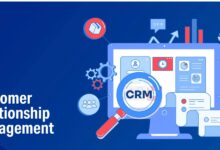
Understanding CRM Product Based Companies

CRM product based companies are organizations that develop, market, and sell Customer Relationship Management (CRM) software as a core product offering. Unlike service-based CRM consultants, these companies build scalable platforms designed to help businesses manage interactions with customers, streamline processes, and improve profitability. Their products often serve as the backbone of sales, marketing, and customer support operations across industries.
What Defines a CRM Product Based Company?
A CRM product based company specializes in creating software solutions that centralize customer data, automate workflows, and provide analytics for better decision-making. These companies typically operate on a SaaS (Software as a Service) model, offering subscription-based access to their platforms. Examples include Salesforce, HubSpot, and Zoho CRM.
- They develop proprietary CRM software with core functionalities like contact management, lead tracking, and sales pipeline automation.
- Revenue is primarily generated through licensing, subscriptions, or tiered feature access.
- They invest heavily in R&D to continuously innovate and stay ahead of market demands.
Key Differences Between Product and Service-Based CRM Firms
While both aim to improve customer relationships, CRM product based companies differ significantly from service-based CRM consultancies. The former builds the tool; the latter helps implement and optimize it.
- Product Focus: CRM product based companies design and maintain software platforms used globally.
- Service Focus: CRM consultants customize, integrate, and train teams on existing CRM systems.
- Scalability: Product companies can scale rapidly with minimal marginal cost per new user.
“The power of CRM lies not just in data collection, but in turning that data into actionable insights—something product-based innovators excel at.” — Gartner Research
Top 7 CRM Product Based Companies Shaping the Industry
The global CRM market is projected to exceed $128 billion by 2028, driven largely by the innovation of leading CRM product based companies. These firms are not only building robust platforms but also integrating AI, automation, and omnichannel engagement to redefine customer experience.
Salesforce: The Market Leader in CRM Innovation
Salesforce remains the undisputed leader among CRM product based companies, holding over 19% of the global CRM market share. Its cloud-based platform offers end-to-end solutions for sales, service, marketing, and commerce.
- Salesforce Einstein AI enables predictive lead scoring and automated customer insights.
- AppExchange provides a vast ecosystem of third-party integrations.
- Its acquisition of Slack has enhanced internal collaboration within CRM workflows.
Learn more about Salesforce’s offerings at salesforce.com.
HubSpot: Democratizing CRM for SMBs
HubSpot stands out among CRM product based companies for making powerful CRM tools accessible to small and medium-sized businesses. Its free CRM tier has attracted millions of users worldwide.
- Offers seamless integration between CRM, marketing automation, and customer service hubs.
- Intuitive UI reduces onboarding time and training costs.
- Strong focus on inbound marketing philosophy aligns CRM with content-driven growth.
Explore HubSpot’s free CRM at hubspot.com.
Microsoft Dynamics 365: Enterprise-Grade Integration
Microsoft Dynamics 365 is a powerful contender among CRM product based companies, especially for enterprises already embedded in the Microsoft ecosystem.
- Tight integration with Office 365, Teams, and Azure enhances productivity.
- AI-powered insights help forecast sales trends and customer behavior.
- Highly customizable for complex business processes in manufacturing, finance, and logistics.
How CRM Product Based Companies Drive Business Growth
CRM product based companies don’t just sell software—they enable transformation. By providing tools that enhance customer visibility, automate repetitive tasks, and deliver real-time analytics, these platforms empower businesses to grow sustainably.
Enhancing Customer Acquisition and Retention
One of the primary ways CRM product based companies contribute to growth is by improving both acquisition and retention metrics.
- Lead scoring models prioritize high-intent prospects, increasing conversion rates.
- Automated nurturing sequences keep potential customers engaged over time.
- Churn prediction algorithms identify at-risk clients before they leave.
Enabling Data-Driven Decision Making
Modern CRM platforms from top CRM product based companies offer advanced reporting dashboards and AI-driven analytics.
- Sales managers can track performance KPIs like win rate, cycle length, and average deal size.
- Marketing teams analyze campaign ROI and customer journey touchpoints.
- Executives gain real-time visibility into customer health and revenue forecasts.
“Data is the new oil, but CRM is the refinery that turns raw information into strategic fuel.” — Forbes Insights
Innovation Trends in CRM Product Based Companies
The landscape of CRM product based companies is evolving rapidly, driven by technological advancements and changing customer expectations. From artificial intelligence to mobile-first design, innovation is at the heart of their competitive edge.
Artificial Intelligence and Predictive Analytics
AI is no longer a luxury—it’s a necessity for CRM product based companies aiming to deliver value.
- Predictive lead scoring uses historical data to rank prospects by likelihood to convert.
- Natural Language Processing (NLP) analyzes customer emails and chat logs for sentiment.
- AI-powered chatbots handle routine inquiries, freeing up human agents for complex issues.
For example, Salesforce’s Einstein AI and HubSpot’s Content Assistant leverage machine learning to personalize customer interactions at scale.
Mobile-First CRM Platforms
With remote work and field sales on the rise, CRM product based companies are prioritizing mobile accessibility.
- Native iOS and Android apps allow sales reps to update records on the go.
- Offline mode ensures functionality without internet connectivity.
- Location-based features enable geotargeted marketing and route optimization.
Integration with Emerging Technologies
Leading CRM product based companies are integrating with IoT, blockchain, and AR/VR to expand their capabilities.
- IoT sensors feed real-time product usage data into CRM systems for proactive support.
- Blockchain ensures secure, transparent customer transaction histories.
- Augmented Reality (AR) allows virtual product demos logged directly in CRM pipelines.
Challenges Faced by CRM Product Based Companies
Despite their success, CRM product based companies face significant challenges in maintaining relevance, ensuring security, and meeting diverse customer needs.
Data Privacy and Security Concerns
As custodians of sensitive customer information, CRM product based companies must comply with stringent regulations like GDPR, CCPA, and HIPAA.
- Breaches can lead to massive fines and reputational damage.
- Encryption, multi-factor authentication, and regular audits are now standard requirements.
- Transparency in data handling builds trust with enterprise clients.
Market Saturation and Differentiation
The CRM space is crowded, making differentiation a major challenge for CRM product based companies.
- New entrants must offer unique features or superior UX to stand out.
- Established players risk feature bloat and complexity.
- Positioning through niche specialization (e.g., real estate, healthcare) is becoming more common.
Customer Adoption and Onboarding Complexity
Even the best CRM tools fail if users don’t adopt them. CRM product based companies invest heavily in onboarding and training.
- Interactive tutorials and in-app guidance reduce friction.
- Dedicated customer success teams ensure smooth implementation.
- Low-code/no-code customization empowers non-technical users.
Best Practices for Implementing CRM Solutions from Product Based Companies
Choosing the right CRM from a product based company is only half the battle. Successful implementation requires strategic planning, stakeholder alignment, and continuous optimization.
Define Clear Objectives Before Deployment
Organizations must identify specific goals before adopting a CRM platform from CRM product based companies.
- Are you aiming to shorten sales cycles?
- Improve customer satisfaction scores?
- Centralize marketing campaign data?
Clear objectives guide feature selection and success measurement.
Ensure Data Quality and Migration Strategy
Poor data quality undermines even the most advanced CRM systems offered by CRM product based companies.
- Cleanse existing databases before migration.
- Standardize naming conventions and field formats.
- Use automated tools to map legacy data to the new CRM schema.
Train Teams and Foster User Adoption
User resistance is a common reason for CRM failure. CRM product based companies often provide training resources, but internal champions are crucial.
- Conduct role-specific training sessions for sales, marketing, and support teams.
- Recognize and reward early adopters.
- Gather feedback to refine workflows and address pain points.
The Future of CRM Product Based Companies
The future of CRM product based companies is not just about better software—it’s about creating intelligent, empathetic, and adaptive customer ecosystems.
Hyper-Personalization Through AI
Next-generation CRM platforms from CRM product based companies will deliver unprecedented levels of personalization.
- AI will predict individual customer needs before they’re expressed.
- Dynamic content generation will tailor emails, offers, and recommendations in real time.
- Voice and emotion analysis may detect customer mood during calls.
Embedded CRM in Everyday Applications
CRM functionality will become invisible, embedded directly into communication and productivity tools.
- Email clients will auto-log interactions and suggest follow-ups.
- Calendar apps will sync with CRM to prepare meeting briefs.
- Social media platforms will integrate CRM triggers for engagement.
Sustainability and Ethical CRM Development
As corporate responsibility grows, CRM product based companies are focusing on ethical AI, carbon-neutral hosting, and inclusive design.
- Transparent algorithms to prevent bias in lead scoring.
- Green data centers to reduce environmental impact.
- Accessibility features for users with disabilities.
What are CRM product based companies?
CRM product based companies are firms that develop and sell CRM software as their primary product. These platforms help businesses manage customer interactions, automate sales processes, and analyze customer data to drive growth. Examples include Salesforce, HubSpot, and Zoho.
How do CRM product based companies differ from service providers?
CRM product based companies build and maintain software platforms, while service providers offer consulting, customization, and implementation support for existing CRM systems. The former sells the tool; the latter helps you use it effectively.
Which CRM product based company is best for small businesses?
HubSpot is widely regarded as the best CRM product based company for small businesses due to its free CRM tier, user-friendly interface, and integrated marketing tools. Zoho CRM and Freshsales are also strong contenders.
Are CRM platforms from product based companies secure?
Yes, leading CRM product based companies implement robust security measures including encryption, regular audits, and compliance with global data protection laws like GDPR and CCPA. However, organizations must also follow best practices on their end to ensure full security.
What trends are shaping the future of CRM product based companies?
Key trends include AI-driven personalization, mobile-first design, deeper third-party integrations, ethical AI development, and embedded CRM experiences within everyday apps like email and calendars.
CRM product based companies are at the forefront of transforming how businesses connect with customers. From Salesforce’s enterprise dominance to HubSpot’s SMB-friendly approach, these innovators provide the tools needed to thrive in a digital-first world. As AI, mobile access, and data ethics shape the future, the role of CRM platforms will only grow more strategic. By understanding their offerings, challenges, and best practices, organizations can harness the full power of CRM to drive sustainable growth and superior customer experiences.
Recommended for you 👇
Further Reading:
